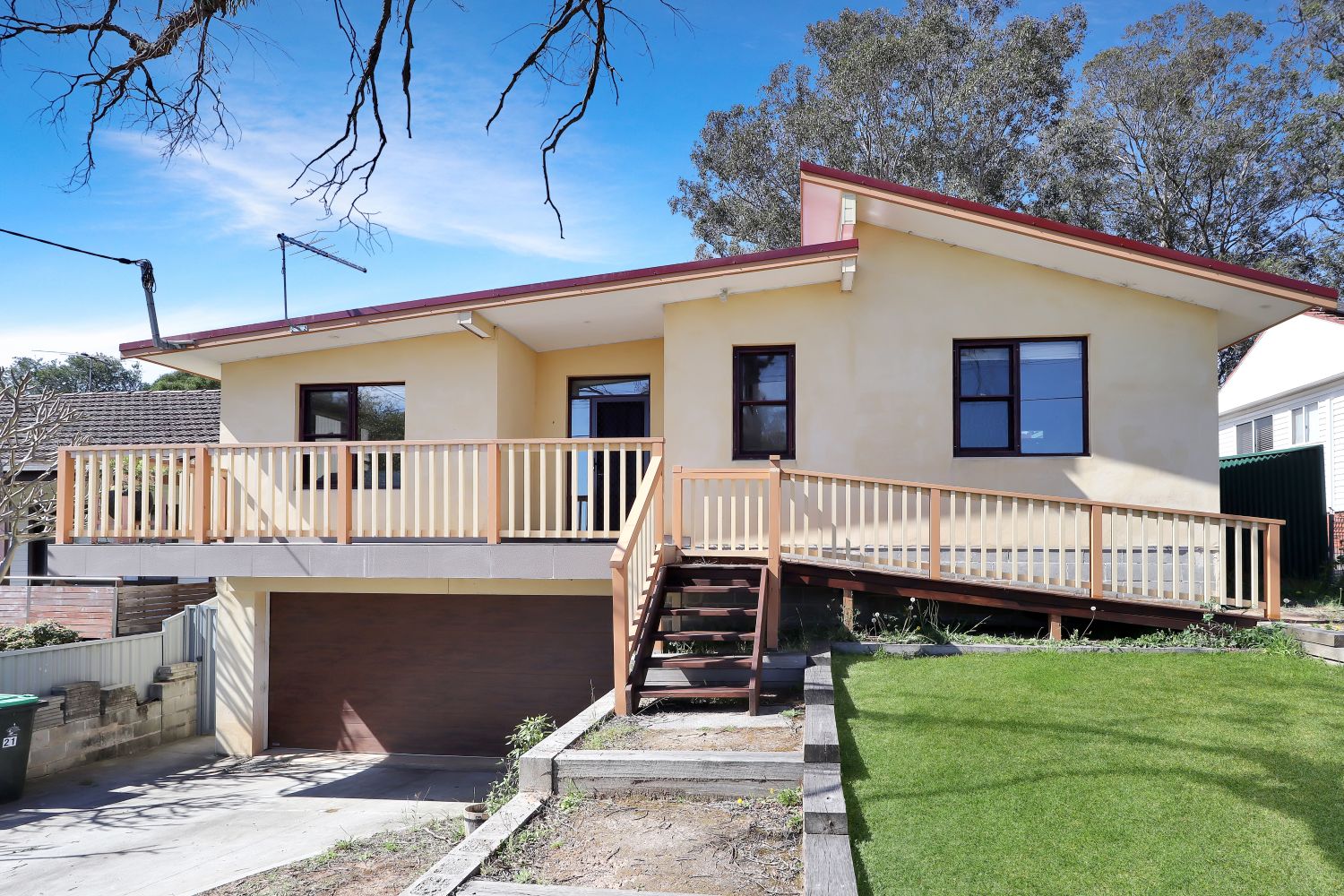
Tucked into an ordinary suburban street near Parramatta, this hempcrete home is easy to miss…and that’s exactly the point. Surrounded by double brick, brick veneer, and clad stick-frame houses, it blends right in while doing something quietly extraordinary: locking carbon out of the atmosphere, staying cool without air conditioning, and offering its owner a level of comfort most new builds simply can’t match.
Designed by Kirstie Wulf of Shelter Building Design and completed in 2020, this knock-down rebuild replaced a dark, poorly ventilated dwelling that had significant footing problems. The new home makes the most of a tricky site, with north facing the neighbour’s side, through clerestory windows that flood the interior with natural light and drive wonderful cross ventilation throughout.
Performance Features
Clerestory Windows
Special Features
Built for aging in place
The walls are cast-in-situ hempcrete (hemp hurd and lime biner) sitting on a concrete slab, under a Colorbond roof, with double-glazed aluminium windows completing the envelope. The result is a home that breathes. The owner describes it as cool but never cold, never hot, always fresh…with an air conditioner on the wall she’s used for exactly half an hour since moving in. The lime content even deters insects in our Chester Hill or Parramatta Hemp Home
The Chester Hill or Parramatta Hemp Home project holds a small piece of local history: it’s the first hempcrete house approved in its council area. The council, in the owner’s words, loved the idea and turned it around quickly. It’s a sign of what’s possible when a sustainable design lands in the hands of a council willing to back it. And a reminder that hempcrete’s place in suburban Australia isn’t a future ambition. It’s already here.
The design also had longevity in mind. A ramp at the entry and accessibility features throughout mean the home is built for aging-in-place. Clerestory windows and angled rooflines, oriented to maximise solar gain, carry solar panels that keep the household’s energy footprint low. The retained secondary dwelling at the rear of the block rounds out a site that now works far harder than the one it replaced.